



Reliable IT support for businesses with 15+ employees across Rockville and the DMV, guided by experts who actually know their stuff.
Enjoy your first month free with zero onboarding fees.
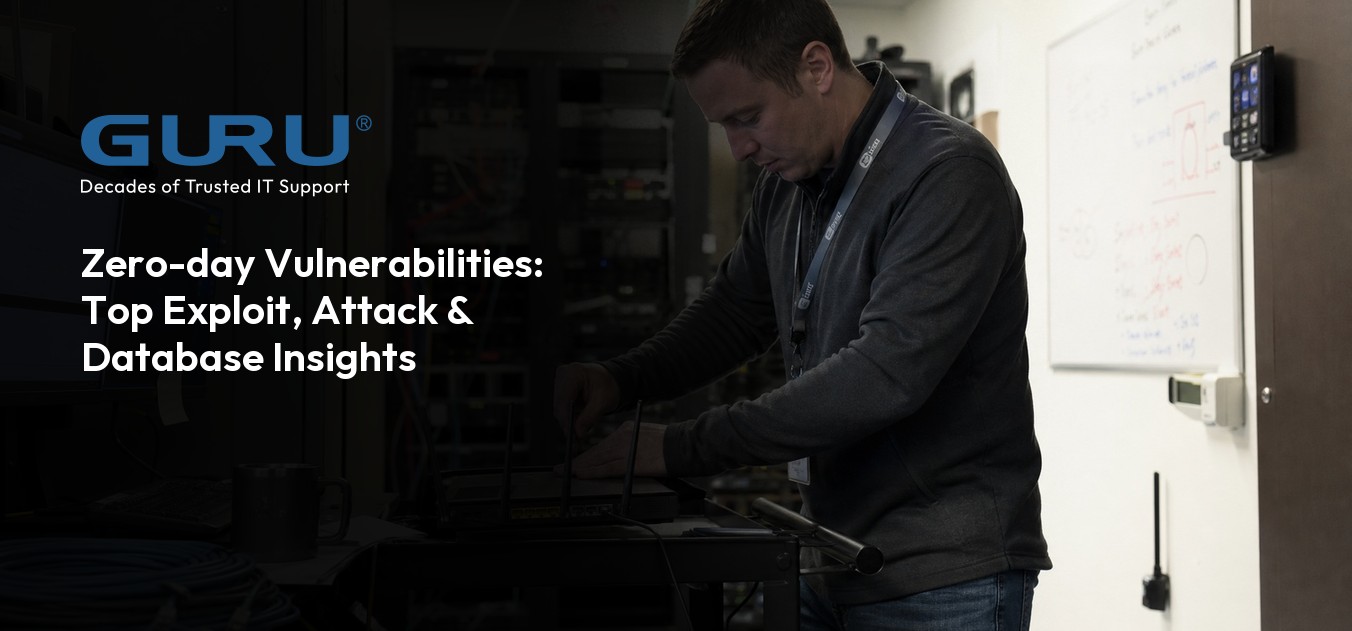
Zero-day vulnerabilities are a growing concern for businesses of all sizes. If you rely on software to run your operations, you need to know how these hidden flaws can put your company at risk. In this post, you'll learn what a zero-day vulnerability is, how attackers use zero-day exploits, and what steps you can take to protect your systems. We'll cover real-world examples, explain how vulnerabilities are discovered, and share practical tips for detection and response. You'll also find out how to manage security vulnerabilities and why timely software updates matter.
Zero-day vulnerabilities are security flaws in software that are unknown to the software vendor and have no official fix. These weaknesses can allow attackers to gain unauthorized access to your data or systems before anyone even knows the vulnerability exists. Because there is no patch available, businesses are especially vulnerable until a solution is released.
For companies, the risk is serious. A single zero-day exploit can lead to a major compromise, including data theft, financial loss, or disruption of critical services. Attackers often target widely used platforms like Microsoft Windows or popular business applications, making it essential for organizations to stay alert and have a plan for detection and response.

Attackers use several methods to exploit zero-day vulnerabilities. Here are some of the most common strategies and mistakes businesses make that can increase risk:
Waiting to install software updates can leave your systems open to known vulnerabilities. Attackers move quickly once a flaw is disclosed, so prompt updates are crucial.
Many organizations overlook or ignore alerts from their security team or tools. These warnings can provide early signs of a zero-day attack or attempted compromise.
If you don't enforce strong passwords or limit user permissions, attackers can gain unauthorized access more easily when exploiting a zero-day vulnerability.
Employees who aren't trained to spot phishing or suspicious activity may accidentally help attackers deliver malware that uses a zero-day exploit.
Without a clear plan, your team may not know how to react if a zero-day attack occurs. This can delay detection and allow attackers more time to cause damage.
Vendors and partners can introduce vulnerabilities into your environment. Failing to vet their security practices increases your exposure to zero-day threats.
Not having the right detection tools in place can make it harder to spot unusual activity linked to a zero-day exploit. Investing in modern monitoring solutions is essential.
Managing zero-day vulnerabilities brings several important benefits:

Exploit databases play a critical role in tracking and sharing information about security vulnerabilities. These resources help security teams stay informed about the latest threats and how attackers might use them. By monitoring exploit databases, companies can prioritize which vulnerabilities to address first and understand the tactics used by malicious actors.
Detection is another key part of zero-day defense. Advanced monitoring tools can spot unusual behavior, such as attempts to exploit a flaw or deliver malware. Early detection gives your team a chance to respond before attackers can cause significant harm. Combining exploit database insights with strong detection practices creates a more reliable system for defending against zero-day attacks.
When a zero-day attack occurs, both threat actors and cybersecurity teams move quickly. Here’s how each side typically responds:
Attackers constantly search for unknown flaws in operating systems or applications. Once they find a vulnerability, they develop an exploit to take advantage of it.
Using the new exploit, attackers may target specific organizations or industries. These attacks are often designed to avoid detection and maximize impact.
Cybersecurity teams use detection tools to watch for signs of compromise, such as unexpected network traffic or unauthorized access attempts.
Once the vulnerability is discovered and disclosed, the software vendor creates a security patch to fix the flaw. This process can take time, leaving a window of risk.
Businesses must act quickly to apply patches as soon as they are released. Delays can leave systems exposed to ongoing attacks.
After an attack, security teams review what happened and update their vulnerability management processes to prevent future incidents.
Vendors and security teams often share details about the attack and the vulnerability to help others defend against similar threats.

Managing zero-day vulnerabilities requires a proactive approach. Start by maintaining an up-to-date inventory of your software and systems. Regularly check for security updates from your vendors and apply them as soon as possible. Train your employees to recognize suspicious emails or links, as these are common ways attackers deliver zero-day exploits.
Invest in reliable detection and response tools that can alert you to unusual activity. Work with your security team to develop and test an incident response plan so everyone knows what to do if a zero-day attack occurs. Finally, review your relationships with vendors and third parties to ensure they follow strong security practices. These steps help reduce your risk and keep your business running smoothly.
To lower your risk of zero-day vulnerabilities, follow these best practices:
By following these steps, you can better protect your business from zero-day threats.

Are you a business with 15-200 employees looking to strengthen your cybersecurity? Growing companies face unique challenges when it comes to zero-day vulnerabilities, and having the right support makes a big difference.
We understand how quickly attackers can exploit new flaws and the importance of timely detection and response. Our team at Guru Consult specializes in helping businesses like yours manage security vulnerabilities, apply critical patches, and build reliable systems. Contact us today to learn how we can help you stay ahead of zero-day threats.
A zero-day vulnerability is a flaw in software that the vendor does not know about, so there is no patch available. This allows attackers to exploit the weakness before it is fixed. If your business uses affected software, you could be at risk for a zero-day attack or compromise, which can lead to data loss or downtime. Regular software updates and strong detection and response plans help reduce this risk.
Attackers often search for flaws in popular software and operating systems. Once a vulnerability is discovered, they develop a zero-day exploit to take advantage of it. Malicious actors may use these exploits to gain unauthorized access to your systems before a patch is available. Staying informed through vulnerability management and monitoring tools can help you spot threats early.
Yes, one well-known example is the Stuxnet malware, which used multiple zero-day vulnerabilities to target industrial systems. In 2021, several high-profile attacks targeted Microsoft Windows using previously unknown flaws. These incidents show how quickly attackers can act once a vulnerability is discovered, making timely detection and response essential.
When a new vulnerability is disclosed, your security team should assess whether your systems are affected and apply any available workarounds or patches. They should also monitor for signs of compromise and update your incident response plan as needed. Working closely with your software vendor helps ensure you receive updates and support quickly.
Exploit databases collect and share information about security vulnerabilities, including zero-day exploits. By monitoring these resources, your team can stay informed about new threats and prioritize which vulnerabilities to address. This proactive approach supports better vulnerability management and helps protect your business from emerging risks.
A trusted software vendor responds quickly when vulnerabilities are discovered and provides timely security patches. They also share information about known vulnerabilities and best practices for keeping your systems secure. Choosing vendors with strong security practices reduces your exposure to zero-day vulnerabilities and supports your overall cybersecurity strategy.

Jason Huebner is the President of GURU and an eleven-year veteran of the company, having risen through the ranks by consistently delivering results and building strong relationships.
Reliable IT support for businesses with 15+ employees across Rockville and the DMV, guided by experts who actually know their stuff.
Enjoy your first month free with zero onboarding fees.