

Reliable IT support for businesses with 15+ employees across Rockville and the DMV, guided by experts who actually know their stuff.
Enjoy your first month free with zero onboarding fees.
Protecting your business from cyber threats starts with strong server infrastructure security. As companies rely more on digital systems, the risk of unauthorized access, vulnerabilities, and data breaches increases. In this blog, you’ll learn what server infrastructure security means for your organization, why resilience and best practices matter, and how to safeguard sensitive data. We’ll cover key security measures, network segmentation, firewalls, and intrusion detection, plus practical steps to prevent unauthorized access and financial losses.
Server infrastructure security is the process of protecting your servers, data, and network connections from cyber threats. It involves using security controls like firewalls, access control, and intrusion detection to keep unauthorized users out and sensitive information safe. Businesses depend on reliable systems to store and process data, making it essential to prevent vulnerabilities that could lead to data breaches or financial losses.
A secure infrastructure also means thinking about your entire network—not just individual servers. This includes your data center, operating systems, and all devices connected to your network. By focusing on the whole picture, you reduce your attack surface and make it harder for cybercriminals to find weaknesses.

Building strong server infrastructure security requires a clear plan. Here are several strategies that help keep your systems safe and resilient:
Access control limits who can view or change information on your servers. Only authorized users should have access to sensitive data. This reduces the risk of unauthorized access and helps you track who is doing what in your system.
Vulnerabilities are weaknesses in your software or hardware that attackers can exploit. Regularly updating and patching your operating system and applications helps close these gaps before they become a problem.
Network segmentation means dividing your network into smaller parts. This limits the spread of a cyber attack if one section is compromised. It also helps you control who can access different areas of your infrastructure.
Firewalls act as barriers between your internal network and the outside world. They block unauthorized traffic and help filter out harmful data. Setting up firewalls at key points in your network is a basic but essential security measure.
Intrusion detection systems (IDS) watch for unusual activity on your network. They alert you if someone tries to break in or if there are signs of a cyber attack. Early detection gives you time to respond before damage is done.
Physical security is just as important as digital security. Make sure your data center is protected from unauthorized entry, and use surveillance to monitor for suspicious activity.
Human error is a common cause of data breaches. Training your staff on cybersecurity best practices helps prevent mistakes that could put your business at risk.
A secure server infrastructure offers several important advantages:
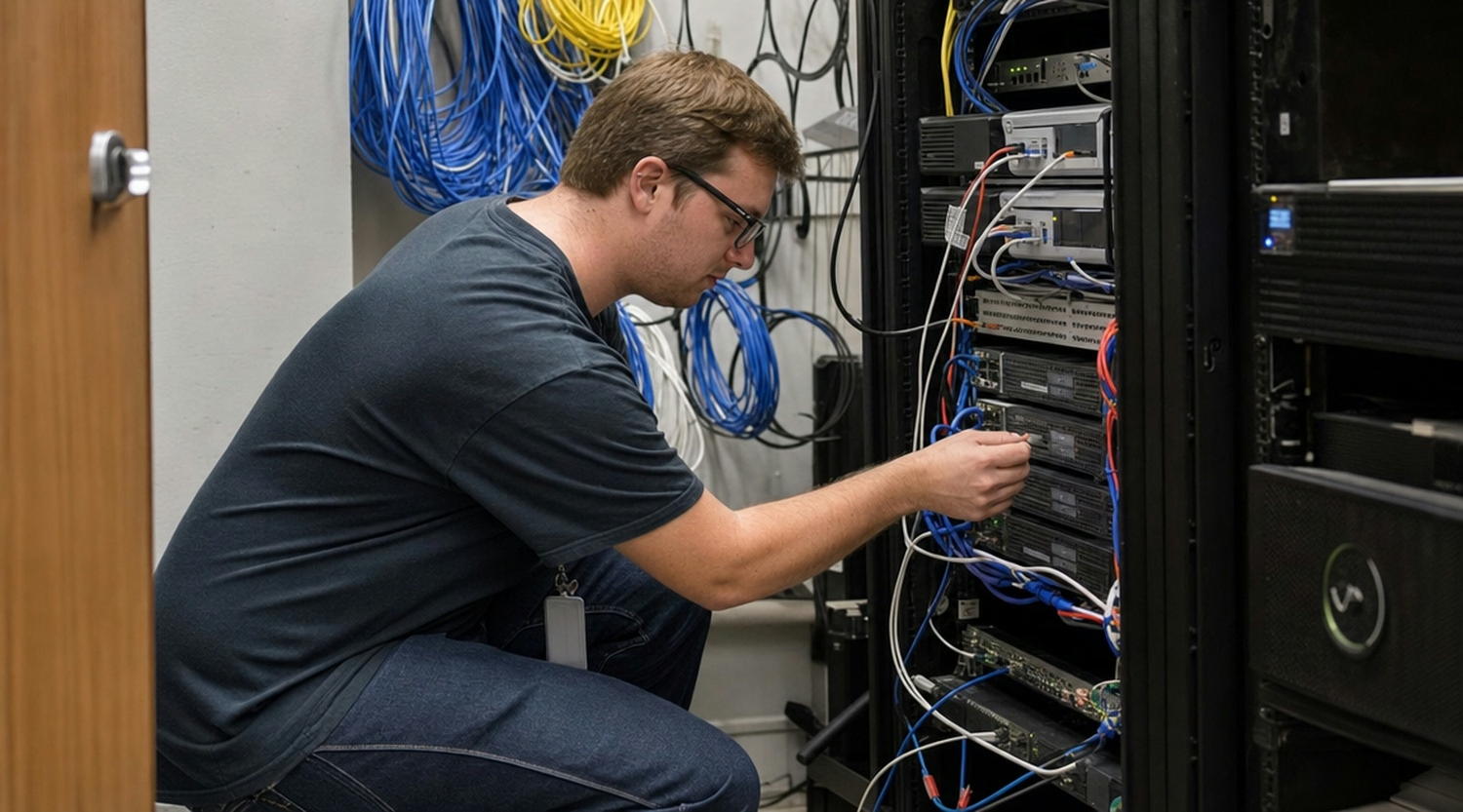
Following best practices for infrastructure security is crucial for any business. These guidelines help you set up reliable systems, manage risks, and respond quickly to threats. For example, using strong passwords, enabling multi-factor authentication, and regularly reviewing user permissions are simple steps that make a big difference.
Best practices also include regular security audits and vulnerability assessments. These checks help you find and fix weaknesses before they can be exploited. By making security a regular part of your operations, you create a culture of safety and resilience.
Every business faces different security threats, but some are more common than others. Here’s how to identify and deal with them:
Malware can infect your servers and steal or destroy data. Ransomware locks your files until you pay a fee. Regular backups and strong antivirus tools help protect against these threats.
Attackers often trick employees into giving up passwords or sensitive information. Training and awareness programs are key to stopping these attacks.
Sometimes, the risk comes from within your organization. Limiting access and monitoring user activity can help prevent employees or contractors from causing harm.
Distributed denial-of-service (DDoS) attacks flood your servers with traffic, making them unavailable. Using specialized DDoS protection tools helps keep your services online.
Outdated software is a major target for hackers. Keeping your operating systems and applications up to date is one of the simplest ways to stay secure.
Default settings are often not secure. Customizing your security controls and regularly reviewing configurations helps close gaps.
Without proper monitoring, you may not notice an attack until it’s too late. Setting up alerts and regular reviews helps you respond quickly to incidents.

Putting server infrastructure security into practice takes planning and ongoing effort. Start by assessing your current systems for vulnerabilities and unauthorized access points. Use a layered approach—combine firewalls, intrusion detection, and access control to create multiple barriers against cyber threats.
Document your security policies and train your team on their roles. Regularly update your systems and review logs for signs of suspicious activity. Finally, test your response plans so you’re ready if an incident occurs. These steps help safeguard sensitive data and keep your business running smoothly.
Following best practices helps keep your server infrastructure secure over time:
Staying proactive with these steps helps reduce risks and protect your organization from evolving threats.

Are you a business with 15-200 employees looking to improve your server infrastructure security? Growing companies need reliable systems and strong security measures to protect sensitive information and prevent unauthorized access. We understand the unique challenges that come with scaling your IT environment.
Our team at Guru Consult specializes in building secure infrastructure for organizations like yours. We help you identify vulnerabilities, implement best practices, and set up security controls that fit your needs. Contact us today to learn how we can safeguard your business and support your growth.
Infrastructure security means protecting your IT systems, including servers and network connections, from cyber threats. It helps prevent unauthorized access and keeps sensitive data safe. By following security measures like access control and regular vulnerability assessments, you reduce the risk of data breaches and financial losses.
A strong infrastructure security plan also supports business continuity. When your systems are protected, you can avoid costly downtime and maintain trust with your clients.
Improving server security starts with simple steps like updating your operating system and using intrusion detection tools. These actions help close vulnerabilities without causing major changes to your workflow. Limiting access to sensitive information and using firewalls can also be done with minimal disruption.
Regular training for employees on cybersecurity best practices ensures everyone knows how to prevent unauthorized access. This keeps your business safe while allowing daily operations to continue smoothly.
Best practices for infrastructure security include regular security audits, updating software, and using network segmentation to control access. These steps help you identify and fix weaknesses before they become a problem. Setting up strong security controls and monitoring systems also makes it easier to spot unusual activity.
As your company grows, review your security policies and adjust them to fit new needs. This proactive approach helps you stay ahead of cyber threats and safeguard your business.
Network security focuses on protecting the connections between devices, while server security is about keeping the servers themselves safe. Both are important for a secure infrastructure. Using firewalls and intrusion detection systems helps protect your network, while regular updates and access control keep your servers secure.
Combining both types of security measures reduces your attack surface and makes it harder for cybercriminals to find a way in. This layered approach is key to effective cybersecurity.
Vulnerability management helps you find and fix weaknesses in your systems before attackers can exploit them. For enterprise security, this means regularly scanning your infrastructure servers and applying patches quickly. It also involves reviewing security controls and updating them as needed.
By staying on top of vulnerabilities, you protect sensitive data and reduce the risk of data breaches. This keeps your business running smoothly and helps avoid financial losses.
A firewall acts as a barrier between your internal network and external threats. It filters traffic and blocks unauthorized access, helping to safeguard critical infrastructure. Setting up firewalls at key points in your network is a basic but essential step in server infrastructure security.
Firewalls also make it easier to monitor for suspicious activity and respond quickly to cyber threats. This helps protect sensitive information and ensures your systems remain reliable.

Jason Huebner is the President of GURU and an eleven-year veteran of the company, having risen through the ranks by consistently delivering results and building strong relationships.
Reliable IT support for businesses with 15+ employees across Rockville and the DMV, guided by experts who actually know their stuff.
Enjoy your first month free with zero onboarding fees.